

Shiva Quotes for Mental Health: Finding Stillness in the Storm of the Mind
My dear friend, does your mind ever feel like a turbulent ocean? One moment calm, the next, tossed by waves of anxiety, worry, and endless thoughts. You are not alone in this. In our fast-paced world, finding a true anchor for our mental and emotional wellbeing can feel like a distant dream. We search for solutions in apps, quick fixes, and complex therapies, often overlooking the profound, timeless wisdom that lies within.
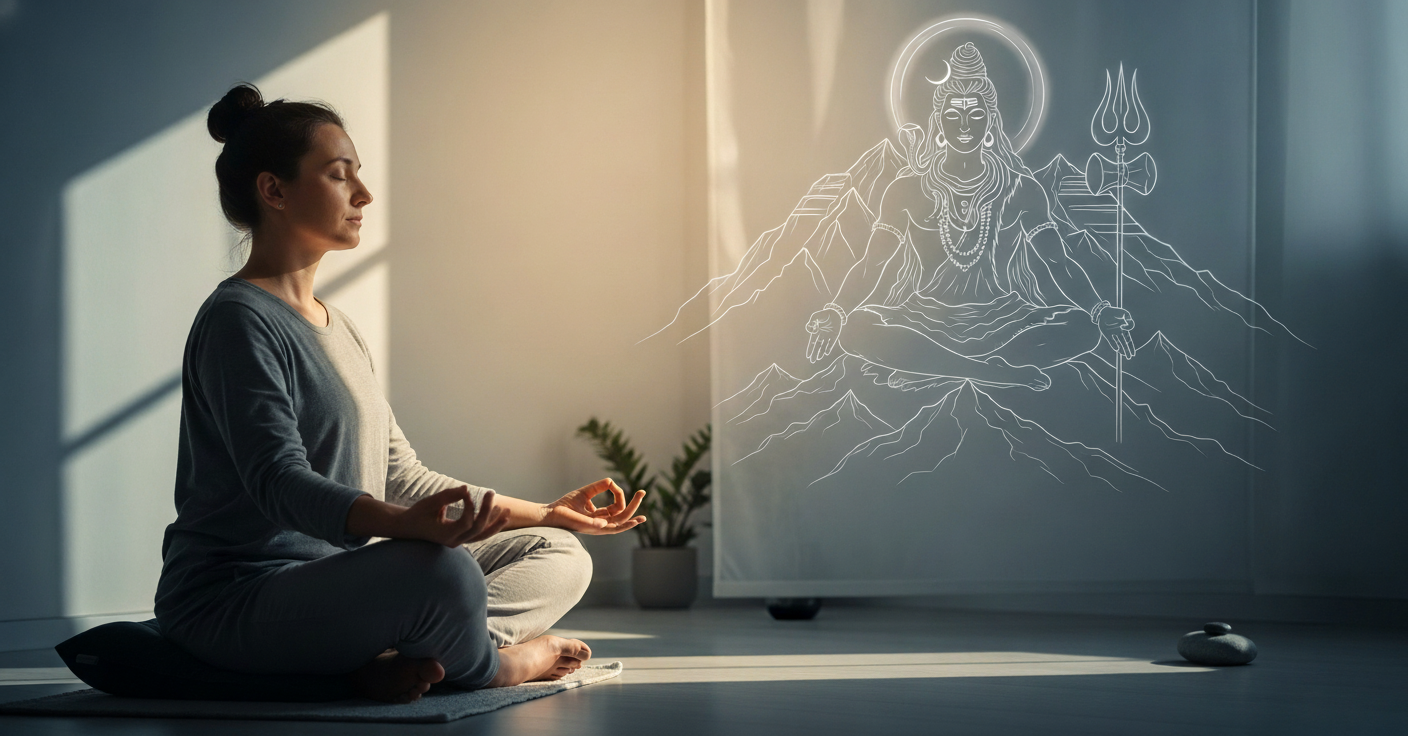
Today, I invite you to pause. To breathe. And to explore a source of strength that has guided seekers for millennia. We will delve into ancient Shiva quotes for mental health, not as mere words, but as powerful seeds of transformation. Lord Shiva, known as the *Mahadeva* (the Great God), is the supreme consciousness in Vedic tradition. He is the destroyer of illusion, the master of stillness, and the ultimate symbol of a mind that is powerful, unshakable, and serene.
His wisdom is not about religion; it is about the very science of consciousness. It is a roadmap to navigating the complexities of your inner world and finding the peace that is already your true nature.
The Root of Mental Agitation: An Ayurvedic Perspective
Before we immerse ourselves in Shiva’s wisdom, let us understand why our minds become so agitated. In Ayurveda, the sister science to Yoga, mental and emotional imbalance is primarily linked to an aggravation of *Vata Dosha*.

*Doshas* are the three fundamental energies that govern our physical and mental processes: *Vata* (air and ether), *Pitta* (fire and water), and *Kapha* (earth and water).
* Vata Dosha: Governs all movement in the body and mind—including thoughts, nerve impulses, and breath. When Vata is in balance, we feel creative, enthusiastic, and clear. However, when it becomes excessive, it creates qualities of dryness, coldness, and erratic movement. In the mind, this manifests as:
* Anxiety and fear
* Restlessness and an inability to focus
* Racing, repetitive thoughts
* Insomnia and overwhelm
Our modern lifestyle—with its constant stimulation, irregular schedules, and processed foods—is a perfect recipe for aggravating Vata. This creates a state of energetic disturbance, what we might call ‘stress’ or ‘anxiety’ in modern terms.
The Modern Scientific View: A Parallel Understanding
Modern neuroscience offers a complementary view. When we are stressed, our sympathetic nervous system (the ‘fight-or-flight’ response) becomes overactive. The amygdala, our brain’s fear center, is on high alert, and stress hormones like cortisol flood our system. This chronic state of alert is exhausting and is the biological basis for many mental health challenges. The goal of holistic practices is to activate the parasympathetic nervous system (the ‘rest-and-digest’ response), which brings the body and mind back to a state of calm and equilibrium.
This is precisely where the wisdom of Shiva and the practices of Yoga and Ayurveda converge with science. They offer a direct path to soothe the aggravated Vata and calm the overstimulated nervous system.
5 Profound Shiva Quotes for Mental Health & How to Live Them
Let’s explore five pillars of Shiva’s wisdom. These are not just quotes to be read, but truths to be embodied through conscious practice.
1. “The biggest guru is your own self.”
The Wisdom: This profound statement is the cornerstone of mental sovereignty. It reminds us that while teachers and guides are valuable, the ultimate authority on your wellbeing is *you*. Your body, your intuition, and your inner consciousness are constantly communicating with you. Mental suffering often arises when we ignore these inner signals and seek all our answers externally.
Living the Truth:
* Mindful Self-Inquiry (Vichara): Take five minutes each day to sit in silence. Ask yourself, without judgment, “What am I truly feeling right now?” “What does my body need?” “What thought is causing me unease?” Listen to the first answer that arises from your heart, not the intellectual mind.
* Body-Scan Meditation: Lie down comfortably. Close your eyes. Bring your awareness to your toes and slowly scan up through your entire body, noticing any sensations of tension, warmth, or coolness. This practice reconnects you to your body’s innate intelligence and calms the Vata energy.
2. “When you are in the storms of life, you can still be the calm eye of the storm.”
The Wisdom: Shiva is often depicted meditating calmly amidst chaos. He represents the unchanging, silent awareness that exists within you, untouched by the drama of the external world or the chatter of your mind. This quote teaches us that peace is not the absence of problems, but the ability to remain centered *despite* them.
Living the Truth:
* The Witnessing Practice: Throughout your day, practice observing your thoughts as if they were clouds passing in the sky. You are not the clouds; you are the vast, open sky in which they appear and disappear. Don’t cling to them, judge them, or fight them. Simply notice them: “Ah, there is a thought of worry.” “There is a thought of planning.” This creates a space between you and your thoughts, which is the beginning of freedom.
* Ujjayi Pranayama (Victorious Breath): This simple yogic breathing technique is a powerful anchor. Gently constrict the back of your throat (as if you were about to whisper) and breathe slowly in and out through your nose. The breath will make a soft, oceanic sound. This sound calms the nervous system instantly and brings your focus to the present moment, the calm eye of the storm.
3. “The stillness in stillness is not the real stillness; only when there is stillness in movement does the universal rhythm manifest.”
The Wisdom: True mental health isn’t about escaping life to sit on a mountaintop. It’s about finding your inner balance and peace while fully engaged in your work, family, and responsibilities. This is the integration of spirituality into daily life. It’s about being a calm yogi even in a traffic jam.

Living the Truth:
* Mindful Action (Karma Yoga): Choose one routine activity you do every day, like washing dishes, making tea, or walking to your car. For that brief period, do it with your full, undivided attention. Feel the warm water on your hands. Smell the aroma of the tea leaves. Notice the sensation of your feet on the ground. This practice trains your mind to find pockets of stillness even in movement, reducing the feeling of being rushed and overwhelmed.
* Tadasana (Mountain Pose): This simple yoga *asana* (pose) teaches stillness in action. Stand with your feet together, ground down through all four corners of your feet, and gently engage your leg muscles. Lengthen your spine, relax your shoulders, and feel the energy rising from the earth up through the crown of your head. Hold this pose for one minute, breathing deeply. It cultivates a powerful sense of stability and centeredness you can carry with you throughout the day.
4. “Nothing is ever born or dies. Nothing ever stops or starts. Nothing is ever constant or changing.”
The Wisdom: This speaks to the ultimate reality of existence. Much of our anxiety comes from clinging to things we want to keep (like moments of happiness) and resisting things we want to avoid (like moments of sadness or loss). We suffer because we fight against the natural flow of life, which is impermanence. Shiva reminds us that our true self, our consciousness, is eternal and unaffected by the transient nature of life’s experiences.
Living the Truth:
* The Practice of Non-Attachment (Vairagya): When you feel a strong emotion, whether joy or sorrow, acknowledge it fully. But then, gently remind yourself, “This too shall pass.” This doesn’t mean suppressing your feelings. It means experiencing them without letting them define your entire being. It loosens their grip on you.
* Sattvic Dietary Choices: The food we eat directly impacts our mental state. A *Sattvic* diet, as prescribed in Ayurveda, promotes clarity, peace, and balance. It calms both Vata and Pitta doshas. Focus on fresh, whole foods:
* Eat More: Fresh fruits, well-cooked vegetables, whole grains (like rice and quinoa), lentils, ghee (clarified butter), and nuts (especially soaked almonds).
* Avoid/Reduce: Overly spicy or sour foods, processed foods, refined sugar, caffeine, and alcohol. These foods are *Rajasic* (stimulating) or *Tamasic* (dulling) and create mental agitation.
5. “The mind is a wonderful servant, but a terrible master.”
The Wisdom: This is perhaps the most practical of all Shiva quotes for mental health. Your mind is a tool, designed to think, plan, and solve problems. The issue arises when we identify with every thought it produces and allow it to run our lives on autopilot. When the mind is the master, it creates endless loops of worry about the future and regret about the past. When you are the master, you can direct the mind to serve your highest good.

Living the Truth:
* Mantra Meditation (Japa): A mantra is a sacred sound that focuses the mind and elevates consciousness. The simplest and most powerful mantra associated with Shiva is “Om Namah Shivaya.” It means, “I bow to the divine consciousness within.” Sit comfortably, close your eyes, and repeat this mantra silently to yourself for 5-10 minutes. When your mind wanders (which it will!), gently and lovingly guide it back to the mantra. This practice trains you to be the master, choosing where to place your attention.
* Digital Detox (Mauna): The constant influx of information from our phones and screens is a primary source of mental agitation. Schedule a specific time each day—even just 30 minutes before bed—to turn off all devices. Use this time for reading, gentle stretching, or simply being quiet. This gives your mind a much-needed chance to rest and reset, reclaiming its role as your servant.
Read More ↘️
The Executive Edge: Why Luxury Meditation Retreats Are the Ultimate ROI
Frequently Asked Questions (FAQs)
Q1: I’m not religious. Can I still benefit from these Shiva quotes?
Absolutely. Think of Shiva not as a religious figure, but as an archetype for the highest potential of human consciousness—still, aware, powerful, and serene. The wisdom is universal and pertains to the science of the mind, applicable to anyone regardless of their beliefs.
Q2: I’m new to meditation. My mind is too busy. What should I do?
My dear friend, this is the most common experience! A busy mind is not a sign of failure; it is the very reason we meditate. Do not fight your thoughts. Start with just two minutes a day. Use a guided meditation or the simple mantra practice described above. The goal is not to have an empty mind, but to practice returning your attention, again and again, with kindness.
Q3: How long will it take to feel a difference in my mental health?
While some practices, like Ujjayi breathing, can offer immediate calm, the true transformation is a gradual process. Consistency is more important than intensity. A gentle, daily practice of 5-10 minutes will create more lasting change than a sporadic one-hour session. Be patient and compassionate with yourself. Healing is a journey, not a destination.
Q4: Are there any Ayurvedic herbs that can help with anxiety?
Yes, certain herbs known as *adaptogens* are wonderful for calming the nervous system. Ashwagandha is a premier herb for reducing stress and Vata imbalance. Brahmi is excellent for enhancing mental clarity and focus. However, it is crucial to consult with a qualified Ayurvedic practitioner or your doctor before starting any new herbal supplement, as they can recommend the right herb and dosage for your unique constitution.
A Final Thought: Your Path to Inner Peace
Your journey to mental wellness is sacred. It is a returning home to the peace that already resides within you. The wisdom in these Shiva quotes for mental health is not just ancient philosophy; it is a practical guide to reclaiming your power from the chaotic mind.
Remember to be gentle with yourself. Choose one practice from this article that resonates with you and begin there. Listen to your body, nourish your soul with wholesome food, and create small pockets of stillness in your day.
You are the sky, not the clouds. You are the calm eye of the storm. Within you lies the unshakable stillness of the mountains and the infinite potential of consciousness. Embrace it.
*Disclaimer: This article is for informational purposes only and is not a substitute for professional medical advice, diagnosis, or treatment. Always seek the advice of your physician or other qualified health provider with any questions you may have regarding a medical condition.*
1 thought on “Shiva Quotes for Mental Health: 5 Ancient Truths for Inner Peace”