

Om Namah Shivaya Meaning for Americans: A Journey into Cosmic Consciousness
Close your eyes for a moment. Feel the hum of the city around you, the screen’s glow, the endless to-do list buzzing in your mind. Now, imagine a different vibration. A silent, powerful stillness from the snow-capped peaks of the Himalayas. Imagine the sound of a single drumbeat—*damru*—that echoes the rhythm of creation itself.
This is the energy of Shiva, the Adi Yogi, the first yogi, the source of a wisdom that transcends time and culture. For so many of us in the West, the search for meaning leads us to ancient paths. This guide is your doorway to understanding the profound Om Namah Shivaya meaning for Americans and how embracing Shiva’s energy can bring profound peace and clarity to your modern life.
Shiva is not merely a deity to be worshipped from afar; He is the very potential for consciousness that resides within you. He is the destroyer of ego, the transformer of negative energy, and the supreme ascetic who finds bliss in serene meditation. He is the stillness in the storm, the silence between your thoughts. As we navigate lives filled with pressure, anxiety, and digital noise, His teachings offer a timeless sanctuary.
The Sacred Vibration: Unlocking the Power of Shiva Mantras
Mantras are not just words; they are sonic keys. They are sacred vibrations that, when chanted with intention, can realign your energy, calm your nervous system, and connect you to a higher state of awareness. They are tools for transformation, polished by sages over millennia.
1. The Panchakshari Mantra: Om Namah Shivaya (ॐ नमः शिवाय)
This is perhaps the most famous and powerful mantra in all of Shaivism. It is called the ‘Panchakshari’ or five-syllable mantra (excluding ‘Om’). Let’s break down its profound meaning:
* Om (ॐ): The primordial sound of the universe. It is the vibration from which all creation emerged. Chanting it connects you to the cosmic source.
* Na: Represents the Earth element (Prithvi Tattva). It grounds you.
* Mah: Represents the Water element (Jal Tattva). It signifies fluidity and love.
* Shi: Represents the Fire element (Agni Tattva). It is the energy of transformation and purification.
* Va: Represents the Air element (Vayu Tattva). It is the life force, the breath, the movement of consciousness.
* Ya: Represents the Ether or Space element (Akasha Tattva). It is the vast, boundless nature of the soul.
When you chant ‘Om Namah Shivaya’, you are not just saying ‘I bow to Shiva’. You are invoking the five elements that constitute your very being and the entire universe. You are saying, ‘May my consciousness and the universal consciousness become one’. It is a profound act of surrendering the ego (‘I’) to the divine self within.
Benefits for Modern Life:
* Stress & Anxiety Reduction: The mantra’s vibration has a scientifically observable calming effect on the mind and nervous system.
* Increased Focus: Regular chanting helps tame the ‘monkey mind’, improving concentration and mental clarity.
* Emotional Cleansing: It helps release negative thought patterns and emotional baggage, creating space for peace.
How to Chant: Find a quiet space. Sit comfortably with your spine straight. You can use a *rudraksha mala* (a rosary of 108 beads) to keep count, or simply set a timer for 5-10 minutes. Close your eyes, take a deep breath, and begin chanting, either aloud or silently. Feel the vibration resonate from your naval to your crown. Don’t worry about perfection; focus on the feeling.
2. The Great Mantra for Healing: Mahamrityunjaya Mantra (महामृत्युंजय मंत्र)
This is one of the most potent mantras from the Rig Veda, a prayer for healing, rejuvenation, and liberation from all fears, including the ultimate fear of death.
*’Om Tryambakam Yajamahe, Sugandhim Pushtivardhanam, Urvarukamiva Bandhanan, Mrityor Mukshiya Ma’mritat’*
Meaning:
‘We worship the Three-Eyed One (Lord Shiva), who is fragrant and who nourishes all beings. May He liberate us from death for the sake of immortality, even as a cucumber is severed from its bondage to the creeper.’
The metaphor of the cucumber is beautiful. A ripe cucumber effortlessly detaches from the vine. This mantra is a prayer for that same graceful liberation from the cycles of suffering and fear, to be reborn into our immortal, spiritual nature.
Benefits for Spiritual Wellness:
* Physical and Mental Healing: Its vibrations are believed to create a protective psychic shield, warding off negativity and promoting health.
* Overcoming Fear: It instills immense courage and helps dissolve deep-seated anxieties.
* Spiritual Growth: It is a powerful tool for meditation, leading to profound spiritual insights.
3. The Mantra for Divine Intellect: Rudra Gayatri Mantra
*’Om Tatpurushaya Vidmahe, Mahadevaya Dhimahi, Tanno Rudrah Prachodayat’*
Meaning:
‘Om. Let me meditate on the Supreme Being. O, Greatest God, give me higher intellect, and let Lord Rudra (Shiva) illuminate my mind.’
This is a prayer for clarity, wisdom, and divine guidance. In a world of information overload and confusion, this mantra helps you tap into your intuition and make choices aligned with your highest self.
Shiva Dhyana: A Meditation for Inner Stillness
Knowledge is one thing, but experience is everything. This simple meditation practice can help you connect with Shiva’s energy directly. You don’t need any prior experience.
1. Find Your Space: Choose a quiet place where you won’t be disturbed for 15-20 minutes. Dim the lights. Sit comfortably on a cushion or chair, keeping your back straight but not rigid.
2. Set the Scene: You might light a candle or some incense. Perhaps place an image or wallpaper of meditating Shiva in front of you to focus your intention.
3. Breathe: Close your eyes. Bring your awareness to your breath. Don’t try to change it. Simply observe the gentle rise and fall of your chest or belly. With each exhale, imagine you are releasing the day’s stress, the mental chatter, the anxieties.
4. The Inner Mountain: Visualize yourself seated in the vast, silent expanse of the Himalayas. Feel the crisp, pure air. See the majestic, snow-covered peaks against a deep blue sky. Feel the profound stillness and stability of the mountains. You are as unshakable as this mountain.
5. Invoke the Energy: Begin to silently chant ‘Om Namah Shivaya’ within your mind, syncing it with your breath if it feels natural. Let the mantra be a gentle anchor for your awareness.
6. The Third Eye: Gently bring your focus to the point between your eyebrows—the *Ajna Chakra* or third eye. Imagine a serene, subtle light glowing in this space. This is the seat of intuition and higher consciousness. Rest your attention here. Don’t force it. Be gentle.
7. Dissolve and Be: If thoughts arise, acknowledge them without judgment and gently guide your focus back to the mantra or the light. Stay in this state of quiet observation for as long as you feel comfortable. You are not *doing* meditation; you are *being* in meditation.
8. Gratitude: When you are ready to finish, take a few deep breaths. Bring your palms together at your heart center and offer a silent moment of gratitude for this peace. Slowly open your eyes.
The Divine Forms: Visualizing Shiva for Your Sacred Space (HD Wallpapers)
In our digital lives, our screens are our modern altars. Choosing a Lord Shiva HD Wallpaper for your phone or computer is a powerful way to keep his energy in your awareness. Each form of Shiva is rich with symbolism, a visual teaching in itself.
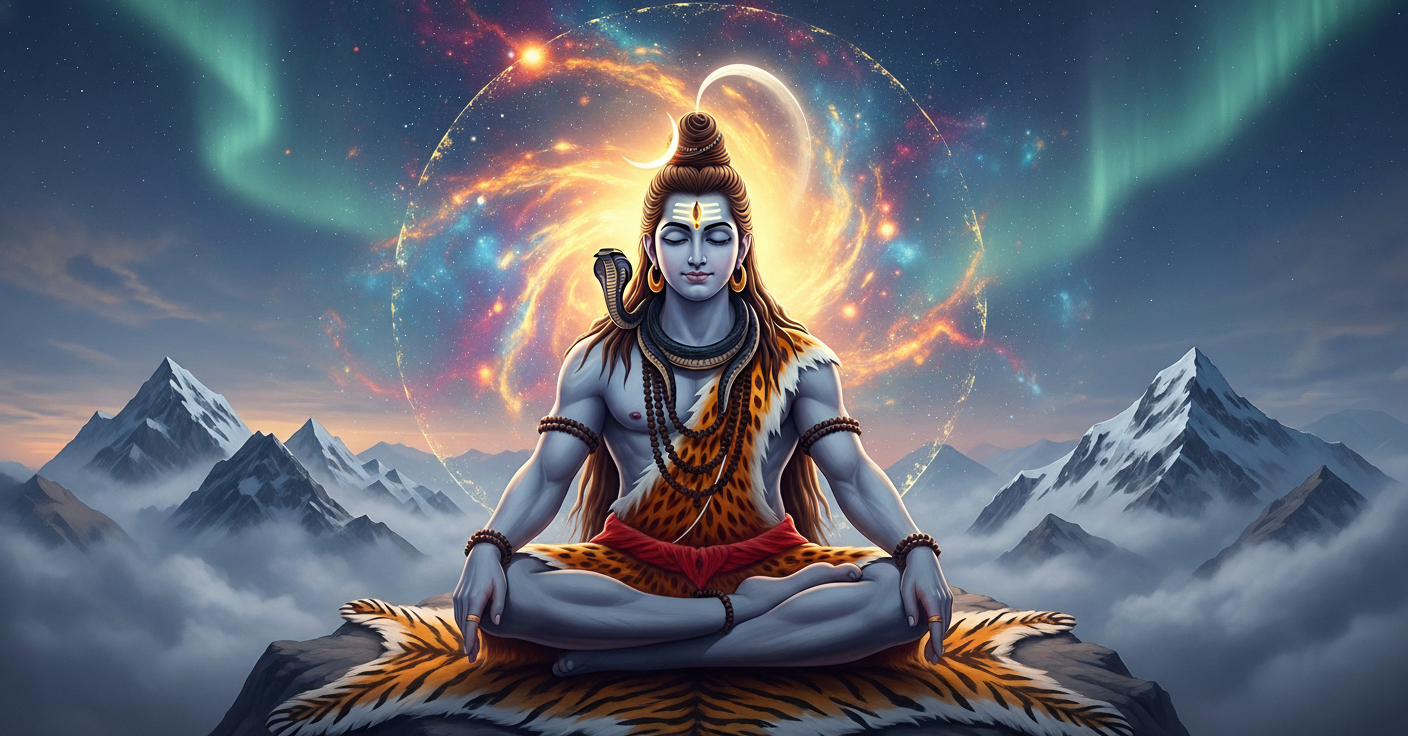
* The Meditating Yogi (Dhyana Mudra): Imagine a hyper-realistic 8K wallpaper. Shiva sits in a perfect lotus posture on a tiger skin high in the Himalayas. His eyes are closed, his face a portrait of absolute serenity and bliss. The mighty Ganga river flows from his matted locks, and the crescent moon adorns his hair, symbolizing mastery over the mind and time. A cobra, representing dormant kundalini energy, rests peacefully around his neck. This image is a powerful reminder of the peace that lies within you, accessible through meditation.
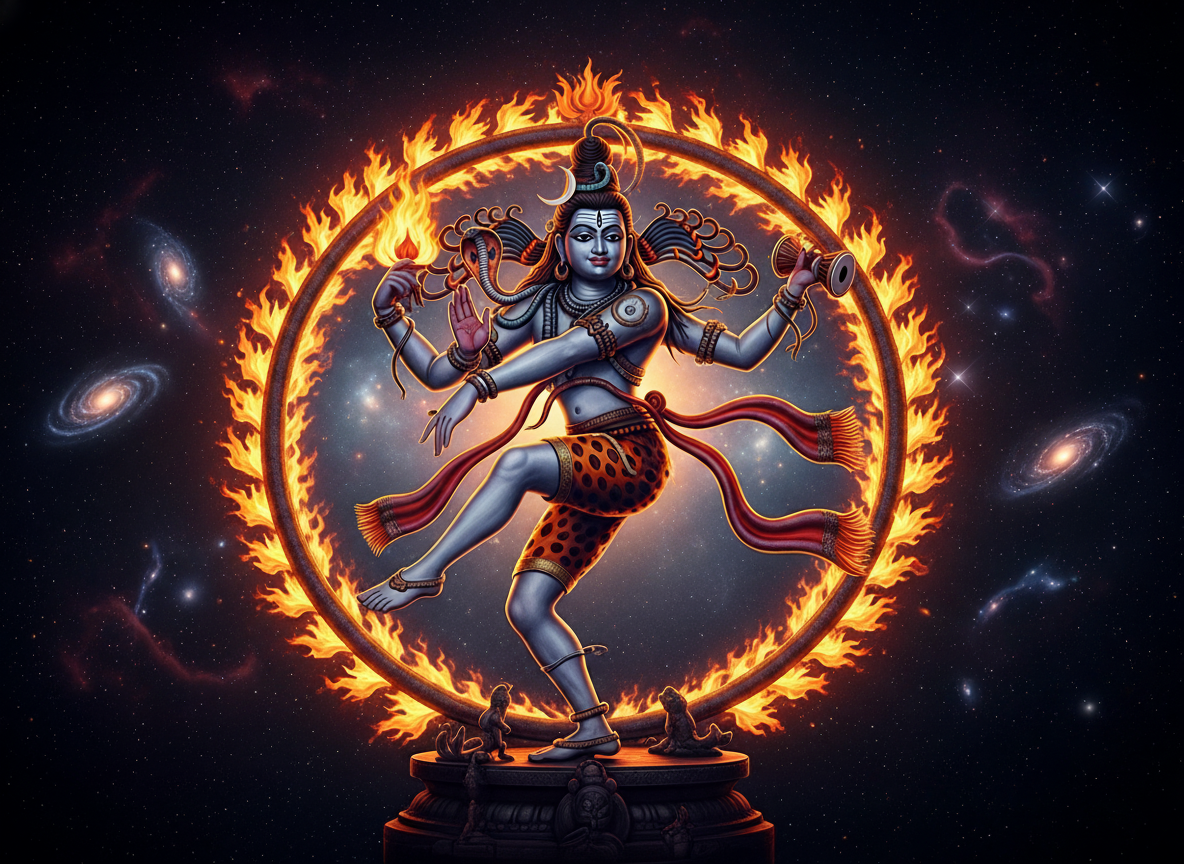
* Nataraja, The Cosmic Dancer: Envision a dynamic, artistic wallpaper. Shiva dances within a circle of cosmic fire, balancing on one leg atop a demon representing ignorance. One hand holds the *damru* (drum) of creation, another holds the fire of destruction. One hand is raised in a gesture of ‘fear not’, and another points to his raised foot, offering refuge and liberation. This form teaches us that all of life—creation, preservation, destruction, illusion, and grace—is part of a divine cosmic dance. It inspires us to move through life’s challenges with balance and grace.
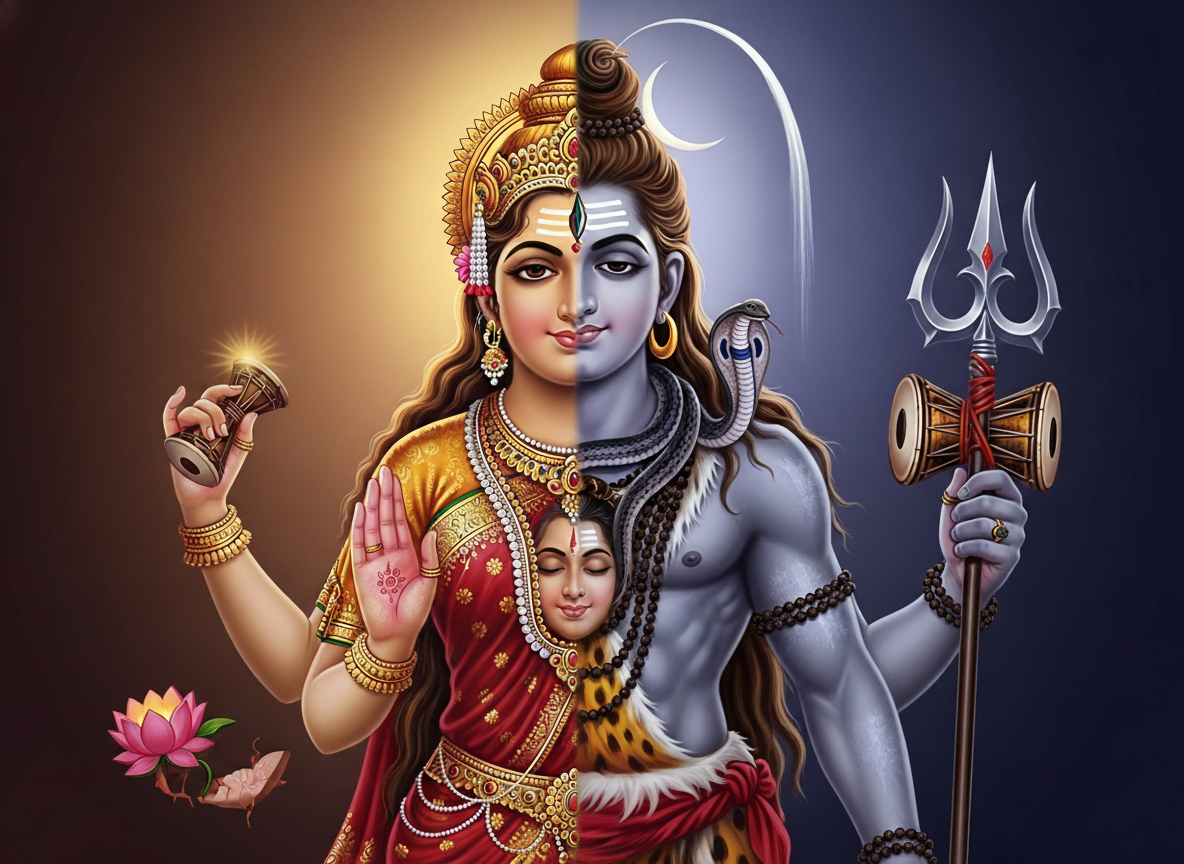
* Ardhanarishvara, The Union of Masculine and Feminine: Picture a deeply symbolic image. The right half of the body is distinctly male—Shiva, with matted locks and ash-smeared skin. The left half is female—Parvati, adorned with jewels and a silk garment. This form is not about being ‘half-man, half-woman’. It is a profound statement that the ultimate reality is a union of opposites: masculine and feminine, stillness and energy, consciousness and matter. It teaches us to find harmony within ourselves.
* The Trishula (Trident): This three-pronged spear represents Shiva’s power over the three fundamental aspects of life: *Ichha* (will), *Kriya* (action), and *Jnana* (knowledge). It also symbolizes his ability to destroy the three sources of human suffering: ego, ignorance, and past negative actions (*karmas*).

Shiva’s Path to Wellness: Ancient Wisdom for Modern Minds
Why does this ancient path resonate so deeply with people in the USA and across the globe today? Because Shiva’s teachings are not about blind dogma; they are a practical science for inner well-being.
* The Ultimate De-Stressor: Shiva is the master of detachment. He observes the universe without being entangled in its drama. Worshipping him and meditating on his form teaches us to be the witness to our own thoughts and emotions, rather than being swept away by them. This creates psychological space and is the key to managing stress.
* Destroyer of the Negative: Shiva is *Bholenath* (the innocent one), yet he is also the fierce destroyer of evil. In our own lives, this ‘evil’ is our limiting beliefs, our self-sabotaging habits, our ego. Invoking Shiva’s energy gives us the courage to confront and transform these inner demons.
* Finding Your Center: In a culture that glorifies constant hustle, Shiva represents the power of stillness. He teaches that true power, creativity, and clarity do not come from frantic action, but from a place of deep inner silence. By connecting with this stillness, you connect with an inexhaustible source of energy and inspiration.
Your Journey Begins Now
Embracing the path of Shiva is not about renouncing the world. It is about living in the world with a new depth of awareness, strength, and inner peace. It is about understanding that the same cosmic energy that dances in the stars also resides in your heart.
Start small. Choose a mantra that resonates with you and chant it for five minutes each morning. Find a beautiful HD wallpaper of Shiva that inspires you and set it as your background. Try the meditation guide once a week. You are planting a seed of tranquility in the garden of your mind.
This exploration of the Om Namah Shivaya meaning for Americans is more than just an intellectual exercise; it is an invitation. An invitation to look within, to discover the unshakable peace that is your true nature, and to walk through life with the grace and power of the divine.
Om Namah Shivaya.
Read More ↘️
Lord Shiva Images & Mental Wellness: A Neuroscientist’s Guide