

It was a Tuesday. Or maybe a Wednesday. The days had started to blur into a monotonous loop of code, coffee, and the cold blue light of a computer screen.
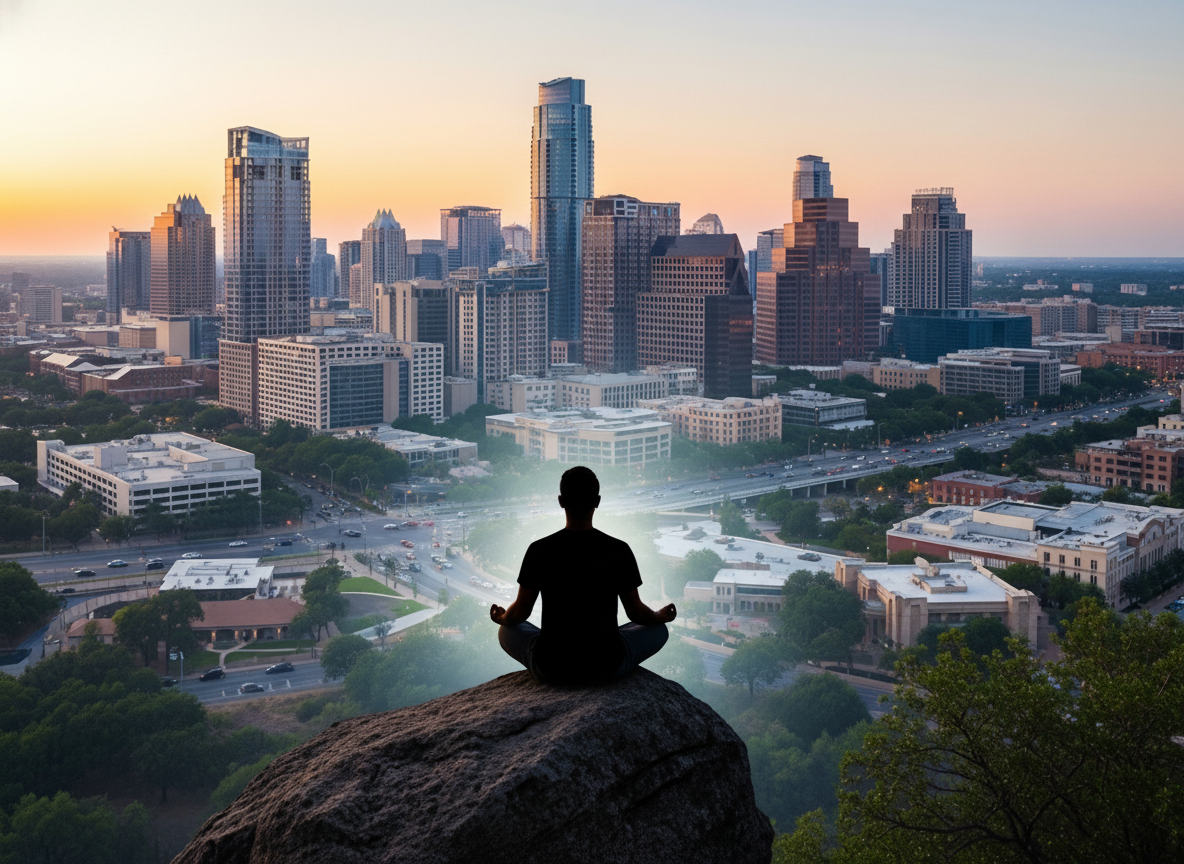
Sarah had done everything right. She’d graduated with honors, landed a six-figure job at a booming tech startup in Austin, Texas, and lived in a minimalist apartment with a killer view of the skyline. She was the American dream, personified. But her soul felt like it was starving.
The Sound of Silence
The silence in her apartment was the loudest thing she’d ever heard. It wasn’t peace. It was a hollow ache, a void that no amount of success, brunch dates, or Peloton rides could fill. She’d scroll through photos of friends getting married, having kids, hiking scenic trails… and feel a profound sense of disconnection. It was like watching a movie of someone else’s life.

‘Is this it?’ she’d whisper to her reflection, the question hanging in the recycled air of her high-rise.
One evening, stuck in Austin’s infamous I-35 traffic, the relentless pressure in her chest became unbearable. A panic attack was brewing. Desperate for a distraction, she took a random exit, her GPS recalculating frantically. She found herself parked in front of a nondescript community center in a quiet, leafy neighborhood. A simple, hand-painted sign by the door read: ‘Stillness & Sound: An Evening of Meditation. All Are Welcome.’
She almost drove away. This wasn’t for her. This was for… other people. But something, a quiet pull she couldn’t explain, made her turn off the engine.
A Different Kind of Welcome
Pushing the door open, she wasn’t met with mystical gurus or pious saints. She was met with the smell of brewing chai and the gentle murmur of conversation. A man in a worn-out Metallica t-shirt smiled and pointed her toward a simple registration desk. A woman with kind eyes, probably in her late 60s, handed her a cushion. No questions asked. No pressure. Just a quiet acceptance.
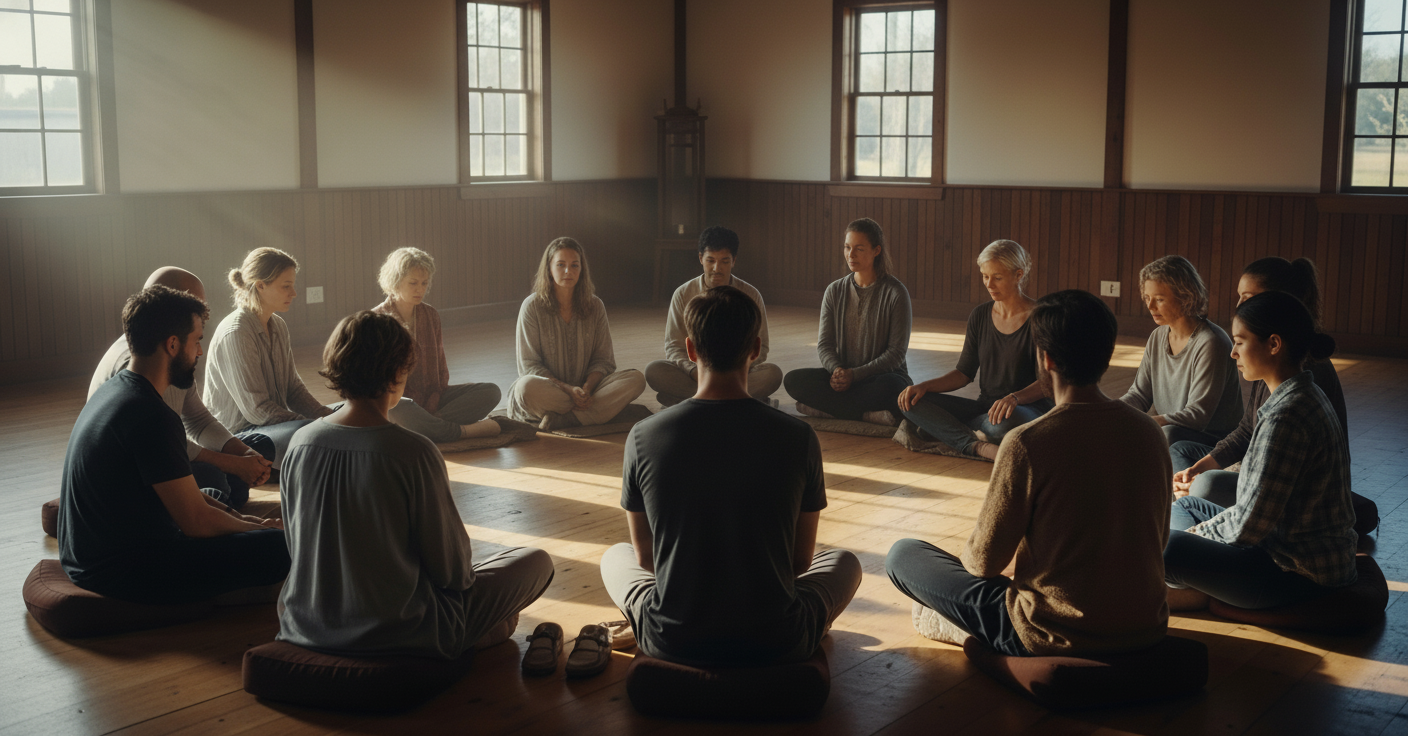
The room was a mix of everyone you’d see at a local grocery store. Young college students, a middle-aged couple holding hands, a veteran with a calm, steady gaze. This wasn’t what she pictured. This was… normal.
Then, the chanting began. A low, resonant ‘Aum’ that vibrated through the wooden floorboards and up into her very bones. It wasn’t a performance. It was a shared breath. A collective release. In that sound, for the first time in years, the crushing silence in her own head began to fade. This was her first, unexpected encounter with a Lord Shiva devotion USA community, a spiritual family hiding in plain sight.
More Than a Religion: A Technology for Wellbeing
Sarah kept coming back. Week after week. She learned that the group wasn’t about converting anyone. It was about providing tools. The ‘devotion’ wasn’t about blind faith; it was about a deep, personal connection to the transformative energy that Shiva represents – the power to dissolve the old and make way for the new.
One of the group’s elders, a retired professor named David, explained it to her over a cup of tea. ‘Think of Shiva not as a god on a cloud, but as a principle. The principle of transformation. The stillness in the eye of the hurricane. In our chaotic modern lives, we need that stillness more than ever. The chants, the meditation… they are ancient technologies for accessing that inner peace.’
It clicked. This wasn’t about dogma. It was about practice. It was about showing up, sitting down, and being with what is. The community was the anchor. They shared stories, not of divine miracles, but of small, human victories: handling a stressful meeting with calm, finding forgiveness for a family member, sleeping through the night without anxiety for the first time in months.
Finding a Spiritual Family in the Heart of Texas
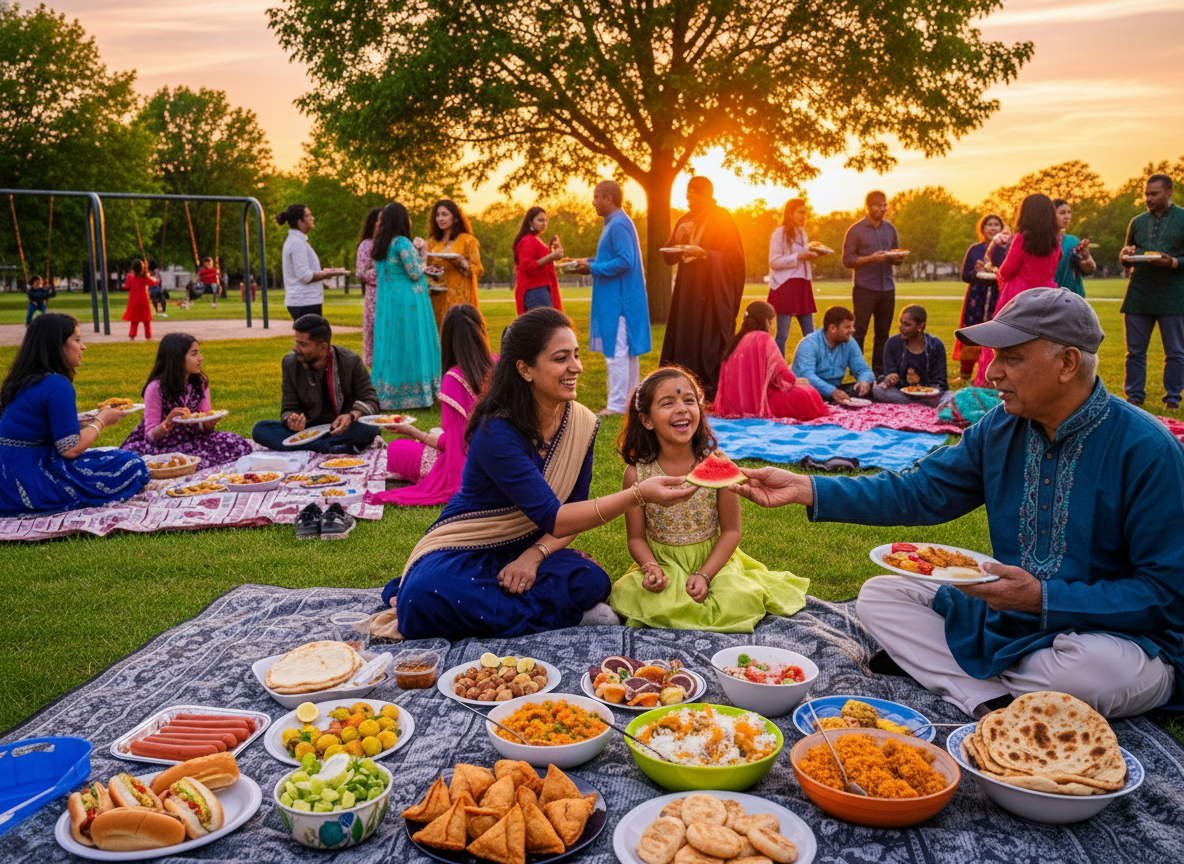
The Lord Shiva devotion USA community that Sarah found wasn’t confined to the walls of the center. It was a network of support that spilled out into everyday life. It was a text message from a fellow member saying, ‘Thinking of you’. It was meeting for a hike along the Greenbelt, talking not about code, but about consciousness. It was a potluck where vegan chili sat beside traditional Indian dishes.
She learned that these communities were quietly thriving all across America. In suburban New Jersey, in the mountains of Colorado, in the heart of Silicon Valley. They were made up of Americans from every walk of life, all seeking the same thing she was: a genuine connection. To themselves, and to each other.
Her life didn’t magically become perfect. The job was still demanding. Life still had its challenges. But Sarah was different. The void was gone. It had been filled not with noise, but with a quiet, resilient strength. She had found her tribe. She had found a way to come home to herself.
Important Takeaways
- Spiritual communities are often found in the most unexpected places, far from traditional temples or ashrams.
- The essence of Shiva devotion for many in the West is not religious conversion, but the adoption of practices (like meditation and chanting) that promote inner peace and transformation.
- A true spiritual community provides a sense of belonging and support without judgment, embracing people from all backgrounds.
- Finding this connection is about discovering a ‘technology for wellbeing’ that helps navigate the stresses of modern American life.
Read More ↘️
The Silence That Saved a CEO: An Inside Look at a Mindful Living Retreat for Corporate Leaders
Frequently Asked Questions
Do you have to be Hindu to join a Shiva meditation group?
Absolutely not. Most communities in the USA, like the one Sarah found, welcome people from all faiths, spiritual paths, and even those who are skeptical or non-religious. The focus is on shared human experience and universal practices for inner wellbeing.
What is the main goal of these communities?
The primary goal is to create a supportive environment for individuals to explore inner peace and personal growth. It’s less about worship in the traditional sense and more about self-exploration, stillness, and managing the stress of modern life through time-tested techniques.
How can I find a Lord Shiva devotion USA community near me?
Start by looking at local yoga studios, wellness centers, and interfaith community hubs. Many groups are small, informal, and spread through word-of-mouth. Searching for ‘meditation groups’, ‘kirtan’, or ‘satsang’ in your city can often lead you to these welcoming circles.
A Final Thought
Sarah’s story isn’t about running away to a faraway monastery. It’s about finding the sacred in the suburbs, stillness in the chaos, and family among strangers. It’s a powerful reminder that sometimes, the home we are searching for isn’t a place on a map, but a quiet space within our own heart, held safely by a community that understands.
For more devotional wallpapers, meditation guides, and wellness articles, visit LordShivaImages.com.